

thick-smoke-is-coming-from-the-chimneys-productio-2022-02-07-22-33-25-utc (1)

Understanding the Monitoring of Stack Emissions

When you monitor an emission at a location, you are conducting “stack emission monitoring” in expert terms. This type of monitoring is typically done regularly on boiler stacks, printer exhausts, bag filter discharges, and thermal oxidizers.

Why is it important?

Pollutants such as SOx, NOx, particulates, solvents, and other dust and gases will be carried by stacks from boilers and industrial activities. These can have a negative impact on local air quality, which is why the government maintains regulations for their control.

Ideally, the regulator requires businesses to regularly measure these pollutants’ concentrations, a process known as periodic stack emission monitoring. In Kenya, the regulator (NEMA) sets the concentration limits that businesses must observe to ensure emissions are within those limits.

Control and Analysis

At Airmet, we provide Source Testing using USEPA 40 CFR Part 75 Quality Assurance and Quality Control Procedures and specific referencing methods as sampling guidance for each parameter required.

We use automated measuring systems to undertake measurements and analysis for particulate matter (PM) and pollutant gases (NOx as NOx as NO2, SO2, CO, CO2, Temperature, Hydrocarbon, and O2), Dioxins and Furans, Acid gases, and Metals.

Regulatory Environment in Kenya

The National Environmental Management Authority (NEMA) specifies the size and location of stack emission monitoring ports, sampling platforms, emission monitoring, and analysis methods. These standards are mandatory for reporting results to the NEMA, which is the authority responsible for issuing emission licenses as per Air Quality Regulations, 2014.

What about Exceeded Stack Emission Limits?

It would be regarded as a non-conformance if emission levels exceeded the limitations stipulated in licenses or permits. The regulator would ensure that the situation was dealt with appropriately.

One option is to carry out air dispersion modeling to ensure no detrimental effect on local air quality (sometimes referred to as ambient air quality). Airmet Services Limited can help in performing air dispersion modeling using USEPA 40 CFR Part 75 Quality Assurance and Quality Control Procedures.  Alternatively, reductions such as bag filters, cyclones, scrubbers, or thermal oxidizers can be proposed depending on the nature of the pollutant.

Why Airmet Services Limited?

Airmet Services Limited is accredited by NEMA to undertake ambient air quality and workplace air quality measurements. We use modern technology and partnerships with some of the best forensic laboratories in the air quality realm. Our mission is to deliver the best results in stack emissions monitoring within the shortest possible timelines.
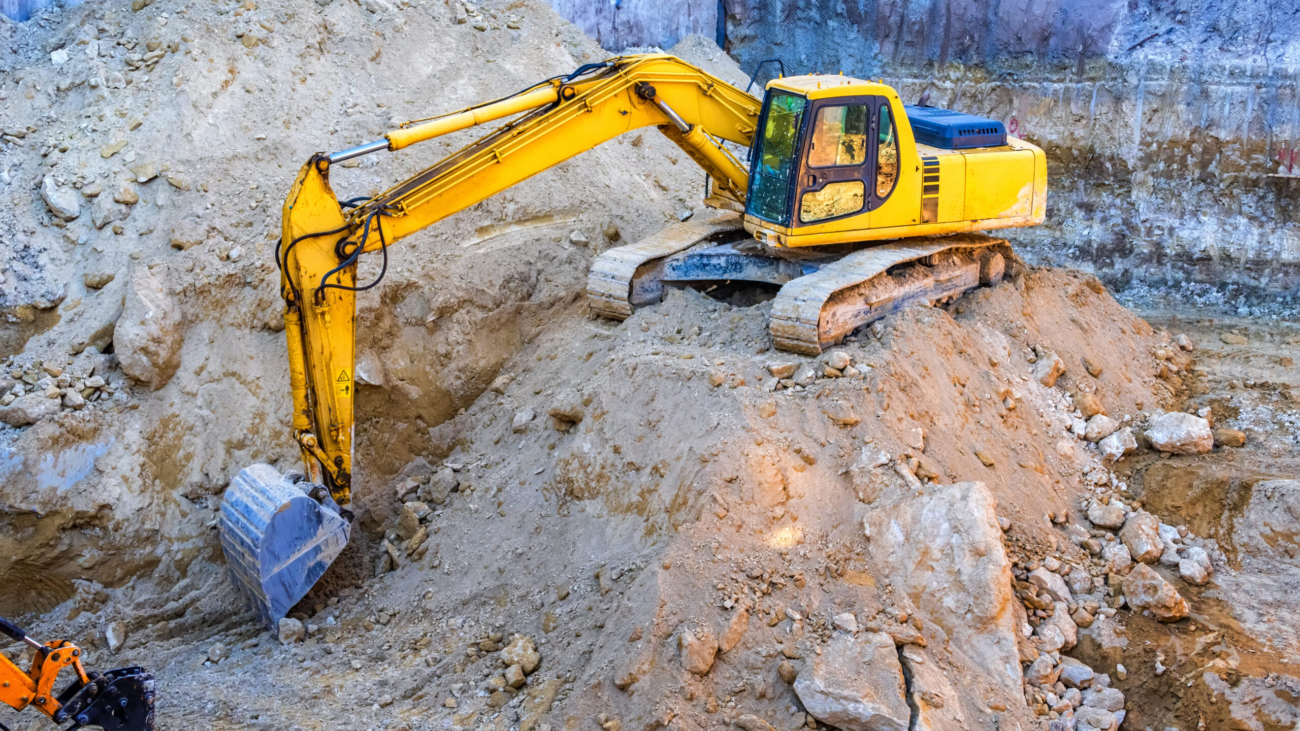
construction-site-2022-02-02-18-17-32-utc (1)

Noise and Excessive Vibration Pollution Control

Business operators must regulate pollution as part of their environmental permits, which includes noise and vibration control. The World Health Organization (WHO) has identified noise as the second most hazardous environmental stressor behind air pollution according to the WHO Environmental Noise Guidelines for 2018. The negative impacts are caused by the stress reactions in the human body, which can continue even during sleep. Common reactions include increased heart rate, HBP, cardiovascular diseases, sleep disturbance, hypertension, or premature deaths.

In Kenya, the environment management and coordination (noise and excessive vibration pollution) (control) regulations, 2009, are used in regulating noise pollution. The county governments are currently enforcing these regulations in Kenya. By controlling noise levels and excessive vibration, these Regulations aim to ensure a healthy environment for all Kenyans, the tranquility of their surroundings, and their psychological well-being.

Moreover, regulations raise people’s living conditions by establishing permissible noise levels for various facilities and activities. For instance, noise levels from activities or facilities can be controlled through standard permissible noise levels. Besides, the regulations also provide for mitigation measures in noise reduction. Businesses that are likely to be involved in activities that produce excessive noise or vibrations over the authorized levels must acquire a license or permit from the regulating authorities.

Noise levels and vibrations measurements 

According to Kenya’s regulatory requirements, a business is responsible for its ambient noise. Ambient noise includes all sounds present in an environment. The ambient noise level may be measured at any moment, but it will vary widely with time, e.g., trucks and aircraft coming and going. For instance, traffic noise is higher at noon than at midnight and higher still during the morning and evening rush hours. To determine if ambient noise is within permissible limits, such variabilities can be measured and analyzed in dB(A) measurements.

Nonetheless, using technical instruments, comprehensive noise data in a certain environment can be measured and recorded. However, recorded graphically data such as charts are unwieldy and cannot be condensed to fit easily into reports. Besides, they are difficult to interpret and describe verbally. They give too much raw data, a frequent problem in dynamic measurements, which has created the need for simple noise descriptors.

How can Airmet Services Limited help?

After undertaking noise levels measurements, Airmet Services Limited will generate a comprehensive report with the following information as guided by applicable legislation and best standards:

  • Model, manufacturer, and serial number of each instrument used
  • Date of last laboratory calibration
  • Statement of on-site calibration verification before and after each series of measurements
  • Time and frequency weighting networks used
  • Location of microphone and description of the area
  • Time and date of measurement
  • Weather conditions
  • Residual noise level, if measuring noise intrusions
  • Names of observers; and
  • Description of the measurement and all instrument readings.  

Airmet Services Limited also undertakes vibrations measurements for various applications, including construction, geotechnical, tunneling, mining, quarry, environmental, underwater, human annoyance, military, structural health, and research.

Further inquiries can be addressed through these emails; >info@airmet.co.ke

>technical@airmet.co.ke