
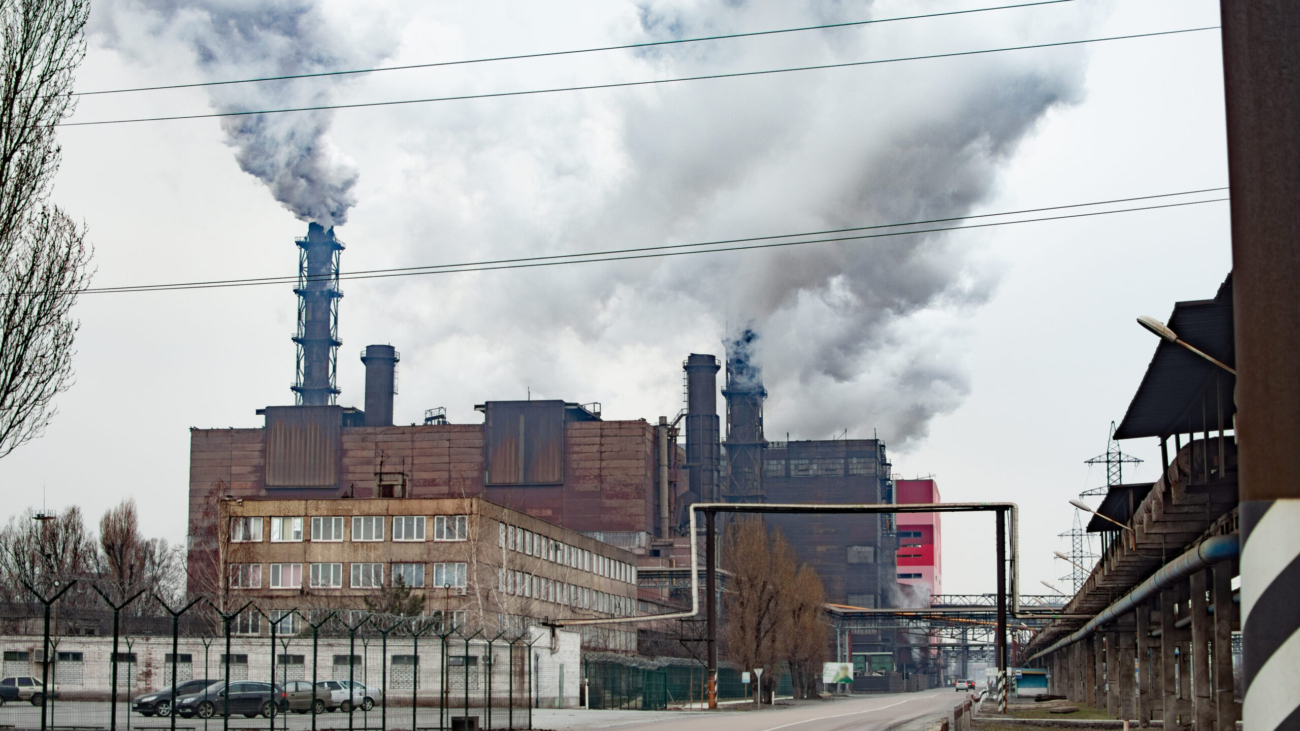
When you monitor an emission at a location, you are conducting “stack emission monitoring” in expert terms. This type of monitoring is typically done regularly on boiler stacks, printer exhausts, bag filter discharges, and thermal oxidizers.
Why is it important?
Pollutants such as SOx, NOx, particulates, solvents, and other dust and gases will be carried by stacks from boilers and industrial activities. These can have a negative impact on local air quality, which is why the government maintains regulations for their control.
Ideally, the regulator requires businesses to regularly measure these pollutants’ concentrations, a process known as periodic stack emission monitoring. In Kenya, the regulator (NEMA) sets the concentration limits that businesses must observe to ensure emissions are within those limits.
Control and Analysis
At Airmet, we provide Source Testing using USEPA 40 CFR Part 75 Quality Assurance and Quality Control Procedures and specific referencing methods as sampling guidance for each parameter required.
We use automated measuring systems to undertake measurements and analysis for particulate matter (PM) and pollutant gases (NOx as NOx as NO2, SO2, CO, CO2, Temperature, Hydrocarbon, and O2), Dioxins and Furans, Acid gases, and Metals.
Regulatory Environment in Kenya
The National Environmental Management Authority (NEMA) specifies the size and location of stack emission monitoring ports, sampling platforms, emission monitoring, and analysis methods. These standards are mandatory for reporting results to the NEMA, which is the authority responsible for issuing emission licenses as per Air Quality Regulations, 2014.
What about Exceeded Stack Emission Limits?
It would be regarded as a non-conformance if emission levels exceeded the limitations stipulated in licenses or permits. The regulator would ensure that the situation was dealt with appropriately.
One option is to carry out air dispersion modeling to ensure no detrimental effect on local air quality (sometimes referred to as ambient air quality). Airmet Services Limited can help in performing air dispersion modeling using USEPA 40 CFR Part 75 Quality Assurance and Quality Control Procedures. Alternatively, reductions such as bag filters, cyclones, scrubbers, or thermal oxidizers can be proposed depending on the nature of the pollutant.
Why Airmet Services Limited?
Airmet Services Limited is accredited by NEMA to undertake ambient air quality and workplace air quality measurements. We use modern technology and partnerships with some of the best forensic laboratories in the air quality realm. Our mission is to deliver the best results in stack emissions monitoring within the shortest possible timelines.